A space is not defined by what fills it, but by the emptiness it contains. The Japanese concept of Ma refers to the "negative space" or the gap between things. It is in this emptiness that meaning, peace, and potential reside.
Understanding Ma
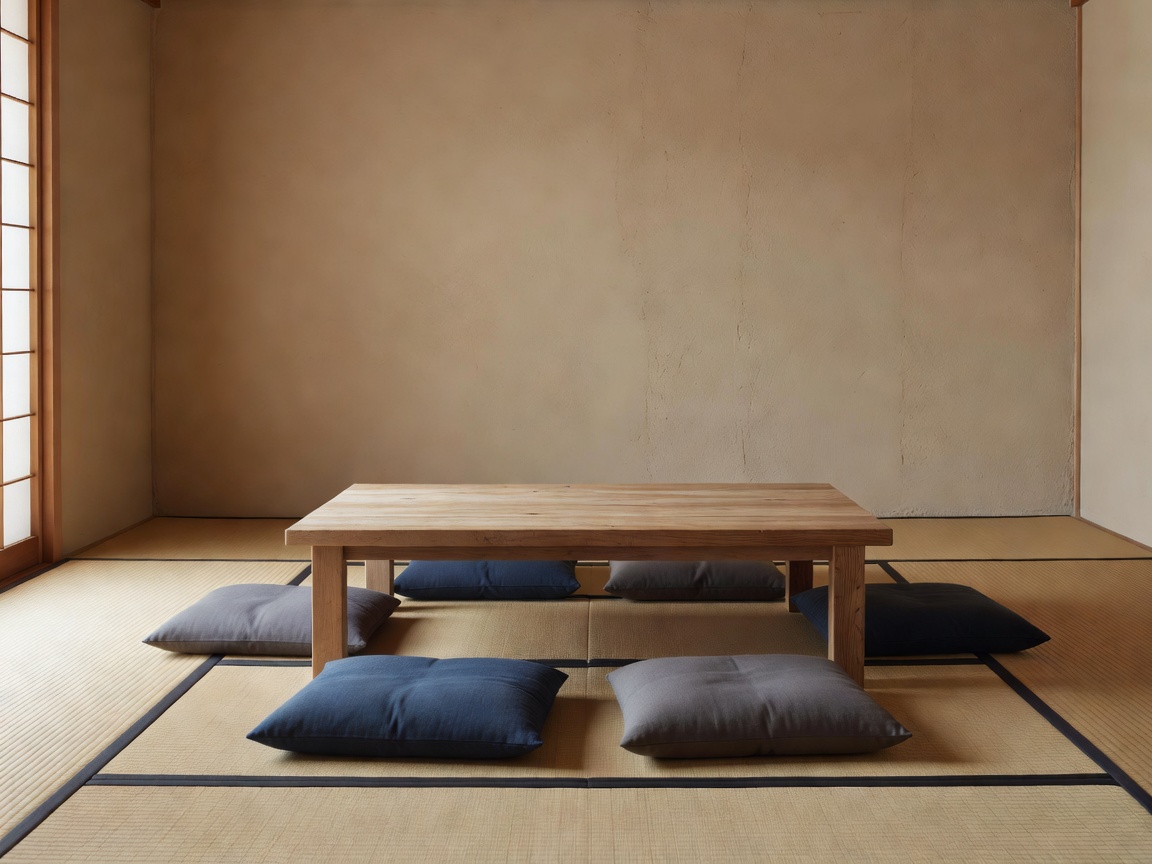
In the West, empty space is often seen as something needing to be filled. If there is a bare wall, we hang art. If there is an empty corner, we place a chair. In Japanese interior design, Ma is intentional. Empty space is designed just as carefully as the occupied space. It provides the eye a place to rest and the mind a place to breathe.
Low-Profile Living
Traditional Japanese furniture is minimal and low to the ground. This creates a higher ceiling visually and connects the inhabitant more closely with the earth.
- Tatami Mats: Woven rush grass mats that provide a soft, fragrant flooring, defining the dimensions of the room.
- Chabudai: A short-legged table used for dining or working while seated on the floor.
- Zabuton & Zaisu: Floor cushions and legless chairs that offer comfort without occupying vertical space.
- Futons: Sleeping mattresses that are folded and stored away during the day, returning the room to an empty, versatile state.
Curating Your Possessions
To honor Ma, one must practice strict curation. Display only what is beautiful, necessary, or emotionally resonant. Instead of a gallery wall, consider a Tokonoma—a dedicated alcove where a single scroll or a carefully arranged Ikebana floral piece is displayed, changing with the seasons. This intense focus on a singular object elevates its significance immensely.